Investing
How Investment Holding Companies Work, and Why Investors Use Them
What an investment holding company is, how it earns and pays out money, why listed ones often trade below asset value, and when a private one makes sense.

 Asia StrategicCapital · Property · Business · AI
Wealth planning is mostly about order: what gets done first, what can wait, and what should never be left to chance.

Most personal finance advice is written for people with one income, one country and one bank account. Many of our readers have more complicated lives. They earn in one currency and spend in another, own property in two countries, support parents, and have children who may study or settle somewhere else again.
This section is for them. It covers the order in which financial decisions tend to matter, using Singapore and Malaysia as the main reference points.
Before investments, three things need to be in place: an emergency fund, adequate insurance and a clear view of debts. Six months of essential spending in cash is a common rule. People on commission, running businesses or supporting several dependants usually need more. High-interest debt, such as credit card balances, almost always deserves to be cleared before any investment is made, because no reliable investment returns 18% to 24% a year.
In Singapore, the Central Provident Fund does much of the heavy lifting for retirement, housing and healthcare. The details change regularly. For example, from January 2025 the Special Account was closed for members aged 55 and above, with savings moved into the Retirement Account. Topping up CPF and contributing to the Supplementary Retirement Scheme can reduce income tax, and the SRS cap is S$15,300 a year for citizens and permanent residents and S$35,700 for foreigners. The CPF Board keeps current figures.
In Malaysia, the Employees Provident Fund was restructured in May 2024 into three accounts: Akaun Persaraan for retirement, Akaun Sejahtera for needs such as housing and education, and Akaun Fleksibel for more flexible withdrawals. That flexibility is useful, but money taken out early stops compounding toward retirement. Private Retirement Schemes add a tax relief on top.
Once the base is secure, investing becomes a question of time horizon and temperament. Money needed within three years generally belongs in cash or short-term bonds. Money for retirement 20 years away can carry more risk. Our investing guide covers the markets, and the REIT guide is a good place to understand income investing in particular.
Property is often the largest single asset a family owns, and it deserves the same scrutiny as a share portfolio. If you are weighing a second property, especially abroad, read our comparison of foreign buyer rules first. The taxes alone have changed the case for many buyers.
A family split across Singapore and Malaysia, or further afield, faces questions a single-country family never meets. Which country taxes which income? Can a CPF or EPF balance be left to someone overseas? What happens to a property in Johor if the owner dies a Singapore resident? None of these is exotic, but each needs an answer written down before it is needed.
A will, nominations for CPF or EPF, and a lasting power of attorney cover most of what an ordinary family needs. Note that CPF and EPF savings are distributed by nomination, not through your will, so the two need to agree with each other. Muslim families in both countries have additional rules under faraid that affect how estates are divided.
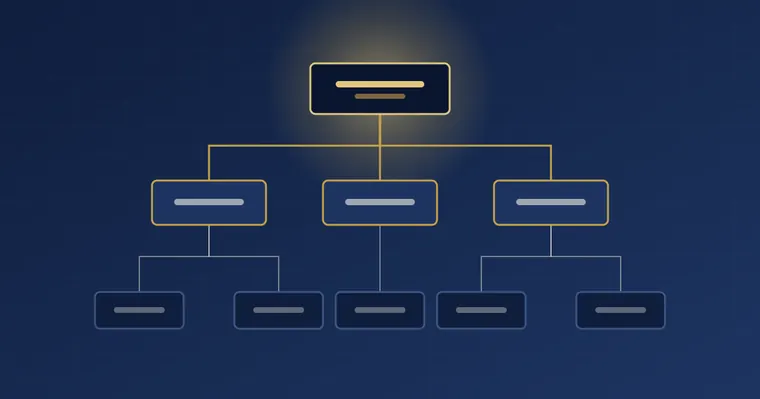
At higher levels of wealth, trusts and holding structures come into play. Our article on investment holding companies explains one of the common tools.
What an investment holding company is, how it earns and pays out money, why listed ones often trade below asset value, and when a private one makes sense.

How Singapore REITs work, why they pay out most of their income, the numbers that matter (DPU, gearing, WALE) and the risks new investors underestimate.
This article is general information, not financial, tax or legal advice. Figures and rules are stated as at the date shown and may change. See our disclaimer.