Investing
How Investment Holding Companies Work, and Why Investors Use Them
What an investment holding company is, how it earns and pays out money, why listed ones often trade below asset value, and when a private one makes sense.

 Asia StrategicCapital · Property · Business · AI
Most regional businesses are built one border at a time. The order you cross them in matters.

Starting a company in Singapore takes an afternoon online. Building one that works across three or four Asian markets takes years, a few expensive lessons and a structure that can bend without breaking. This section is about that longer project.
We write for founders, owner-managers and the people who advise them. The focus is practical: what decisions come up, in roughly what order, and what each one costs if you get it wrong.
Singapore is a common choice for a regional headquarters, and the reasons are well known: a 17% headline corporate tax rate, a wide treaty network, an English-language legal system and a reliable registry. Every Singapore company needs at least one director who is ordinarily resident in Singapore, which is the first practical hurdle for foreign founders. The Accounting and Corporate Regulatory Authority sets out the basics.
Malaysia offers lower operating costs, a larger domestic market and a deep talent pool, particularly in Kuala Lumpur and Penang. Many groups end up with both: a Singapore holding and treasury company with operating teams in Malaysia. The Johor–Singapore Special Economic Zone, agreed in January 2025, is designed to make exactly that split easier.
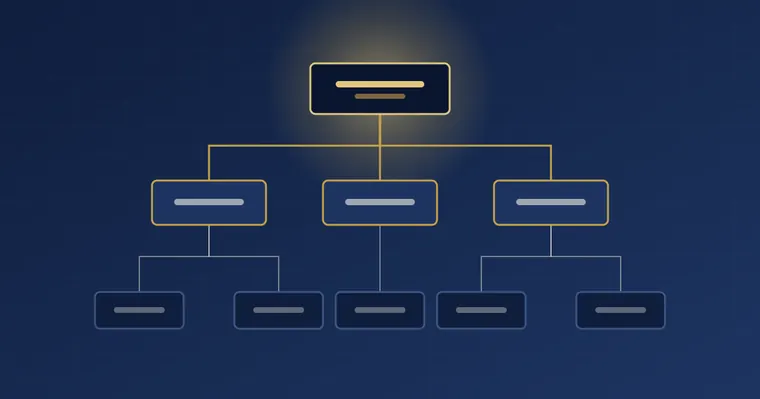
How you hold your businesses is easier to get right early than to fix later. A holding company above your operating companies can separate risks, make it simpler to bring in investors for one business but not another, and give you a cleaner path to selling or listing part of the group. Our guide to how investment holding companies work covers the logic, written from the investor's side but just as relevant to owners.
Structure also has a tax dimension that changes over time. Global minimum tax rules and economic substance requirements mean a holding company now needs real people and real decisions behind it, not just a registered address.
Owner-managed businesses in Asia have traditionally funded growth from profits and bank loans secured on property. That still works, and our real estate section touches on how business owners use property as collateral. Beyond that, the options include private equity, venture capital for faster-growing companies, private credit, and a listing on a growth board such as Singapore's Catalist or Malaysia's ACE Market.
Each source of money comes with expectations attached. Lenders want security and covenants. Equity investors want a say and an exit. Choosing between them is as much about what kind of company you want to run as about price.
The neighbouring markets look close on a map and feel distant in practice. Foreign ownership limits, licensing, labour rules and payment habits differ sharply between Singapore, Malaysia, Thailand, Indonesia, Vietnam and the Philippines. Businesses that expand well tend to treat each new market as a separate launch, with its own local partner or manager, rather than as a branch office.
For most small and mid-sized firms, the near-term value of AI is unglamorous: faster customer service, quicker document work, better forecasting and fewer hours lost to admin. The firms getting results start with one costly, repetitive process and measure the before and after. We go into the wider picture in our AI section.
These are the topics we are working through next:
What an investment holding company is, how it earns and pays out money, why listed ones often trade below asset value, and when a private one makes sense.

How Singapore REITs work, why they pay out most of their income, the numbers that matter (DPU, gearing, WALE) and the risks new investors underestimate.
This article is general information, not financial, tax or legal advice. Figures and rules are stated as at the date shown and may change. See our disclaimer.